


Featured categories
Featured items

Case For Apple iPhone 11 12 13 14 15 Pro Max Plus Shockproof Silicone Cover
£2.49
Privacy Screen Protector For iPhone Tempered Glass 15 14 13 12 11 XR XS X ProMax
£4.39
For Apple Watch Stainless Steel Strap Metal Bracelet Series 9 8 7 6 5 4 SE Ultra
£12.99(£12.99/Unit)
For Apple iPhone Wireless Charger 15W Magnetic Mag Safe Compatible AirPod Charge
£7.49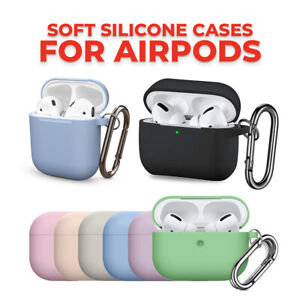
For AirPods Silicone Case Cover AirPods Pro 1st 2nd 3rd Generation Royal Mail 24
£3.99
Newly listed
See all
For Apple Watch Strap Nylon Fabric Series 9 8 7 6 5 4 3 SE 38 40 41 42 44 45 mm
£3.29 to £5.29(£5.29/Unit)
Case For iPhone 15 14 13 12 Mini Pro Max Plus Shockproof Silicone Ring + Lanyard
£4.99
3D Screen Protector For Apple Watch 4 5 6 SE 7 8 9 ULTRA 2 Anti-Scratch Easy Fit
£5.29Case For Apple iPhone 11 12 13 14 15 Pro Max Plus Shockproof Silicone Cover
£2.49 to £4.69
Dashboard Car Mount Magnetic Holder Mobile Phone Universal For All Mobile Phones
£2.49 to £3.29
Screen Protector For iPhone Tempered Glass 15 14 13 12 11 X XR Mini Pro Max Plus
£2.99 to £3.99

All items

For Apple Watch 2in1: Case & Tempered Glass Screen Protector Series 9 8 7 6 5 SE
£4.89 to £4.99

For Apple Watch Silicone Band Strap Series 9 8 7 6 5 4 3 SE 38 40 41 42 44 45 mm
£3.99 to £4.79
(£4.79/Unit)

For Apple Watch Silicone Sport Strap Series 9 8 7 6 5 4 3 SE 38 40 41 42 44 45mm
£4.89 to £5.09
(£5.09/Unit)

For AirPods Silicone Case Cover AirPods Pro 1st 2nd 3rd Generation Royal Mail 24
£3.99 to £4.89

Case For Apple iPhone 11 12 13 14 15 Pro Max Plus Shockproof Silicone Cover
£2.49 to £4.69

Case For iPhone 15 14 13 12 Mini Pro Max Plus Shockproof Silicone Ring + Lanyard
£4.99

3D Screen Protector For Apple Watch 4 5 6 SE 7 8 9 ULTRA 2 Anti-Scratch Easy Fit
£5.29
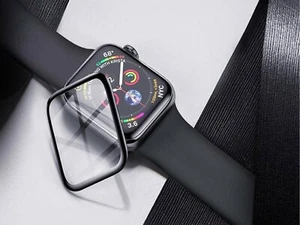
Screen Protector for Apple Watch Series 9 8 7 SE 6 5 4 3 2 1 3D Curved Edge
£2.99 to £4.99
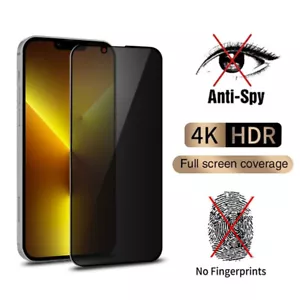
Privacy Screen Protector For iPhone Tempered Glass 15 14 13 12 11 XR XS X ProMax
£4.39

For Apple Watch Stainless Steel Strap Metal Bracelet Series 9 8 7 6 5 4 SE Ultra
£12.99 to £13.79
(£13.79/Unit)

For Apple Watch Strap Nylon Fabric Series 9 8 7 6 5 4 3 SE 38 40 41 42 44 45 mm
£3.29 to £5.29
(£5.29/Unit)

Screen Protector For iPhone Tempered Glass 15 14 13 12 11 X XR Mini Pro Max Plus
£2.99 to £3.99

For Apple iPhone Wireless Charger 15W Magnetic Mag Safe Compatible AirPod Charge
£7.49

For iPhone Case MagSafe Magnetic Case For iPhone 12 | 13 | Mini | Pro | Pro Max
£5.95

Dashboard Car Mount Magnetic Holder Mobile Phone Universal For All Mobile Phones
£2.49 to £3.29

For Apple AirTag Leather Case Protective Cover Key Ring Tracker Keychain Air Tag
£4.99
About us
Browse our store to find more items that you may like.
Business details
Business name: Game Hub LimitedAddress: 7 York Road, GU22 7XH Woking, United KingdomEmail: support@game-hub.co.ukVAT number: GB 374389359
Seller Feedback (26,559)
w***5 (29)- Feedback left by buyer.
Past 6 months
Verified purchase
Excellent service, product as described and well packaged, no issues and fast delivery
i***3 (1466)- Feedback left by buyer.
Past 6 months
Verified purchase
Item as described, well packaged, prompt delivery, superb seller, highly recommended
a***a (285)- Feedback left by buyer.
Past 6 months
Verified purchase
Item as described, arrived on time, well packaged - great seller 5⭐️
5***i (425)- Feedback left by buyer.
Past 6 months
Verified purchase
Item arrived in quality condition with care taken in it packaging. Exactly as described and works perfectly. Highly rated seller and would recommend. A*.
a***m (788)- Feedback left by buyer.
Past 6 months
Verified purchase
Arrived before date stated , great value will use this seller again
Thank you
2***1 (48)- Feedback left by buyer.
Past year
Verified purchase
Excellent seller; now 5th strap I’ve bought. Item as described and looks great. Product packaged well and dispatched quickly. Nice, comfortable, and decent price for what they are.